
By Naazi Morad
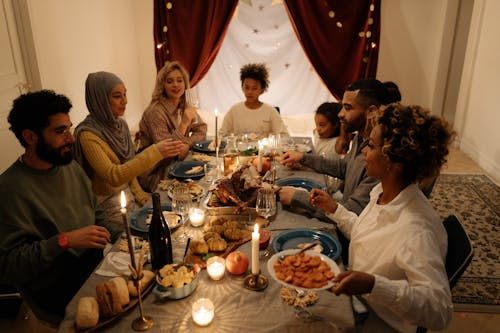
On a quiet evening of Ramadan, a family gathered around the iftaar table.
There was mutton curry, rice, and the soft glow of togetherness that usually comes with breaking fast.
The meat had come as a gift — sent by a wealthy relative who wanted to share her blessings. It was received with gratitude, duas were made for her, and the intention was simple:
to turn that gift into something warm and nourishing for the family.
Despite exhaustion and illness, the mother of the home stood in the kitchen and cooked with love.
She wanted this iftaar to feel special.
Everyone enjoyed the meal. There were second helpings. Laughter. Compliments from the children:
“Mom, the food is so nice.”
“There’s no fat — it’s perfect.”
And then one sentence changed the entire emotional atmosphere:
“I don’t eat mutton from anyone. I’m very fussy about where I buy my meat.”
In that moment, something broke inside her.
She did not argue.
She did not cry aloud.
She swallowed the pain along with her fast.
But inside, her heart asked a quiet question:
Where is the gratitude for the plate of food in front of you?
And where is the respect for the person who prepared it?
The Psychology Behind Ungratefulness
Why do some people seem ungrateful even when they see themselves as religious or morally upright?
From a psychological viewpoint, several things may be happening:
1. Control and Superiority
Some people feel safe when they control things — even food.
Saying “I only eat meat from where I choose” is not really about meat.
It is about:
- Power
- Preference
- Ego
- Superiority
It unconsciously says:
“My standards are higher than what is given.”
This can feel deeply invalidating to the person who cooked and served.
2. Disconnection from Emotional Impact
Some people lack emotional awareness. They do not realise that words have weight. They think: “I’m just stating my preference.” But the emotional message received is: “Your effort doesn’t matter.”
Ungratefulness is often not ignorance — it is emotional blindness.
3. Religion Without Character
Psychologically and spiritually, this is the most painful contradiction: A person can speak about religion… But struggle with humility, gratitude, and kindness. Good character is not just taught — it is practiced daily.
True gratitude is not about where the meat came from.
It is about recognising:
- The gift
- The effort
- The intention
- The blessing
Without that, religion becomes words without warmth.
💔 Why Did This Hurt So Much?
This hurt deeply because:
- You were tired and unwell
- You cooked with love and intention
- You wanted your family to feel cared for
- You had made dua for the giver
- You were emotionally invested
So when one sentence dismissed all of that, your nervous system registered it as:
rejection + disrespect + ingratitude
That is why the pain went straight to your soul. Not because of the meat.
But because of what it symbolised:
- Your effort
- Your heart
- Your role as a nurturer
When someone spoils the emotional tone of a moment, the body feels it before the mind can explain it. Hence the tears held back. The heaviness. The silence.
The Children’s Response: A Sign of Emotional Maturity
What stood out most was the daughters saying: “Be grateful. This meat is from Allah.”
This shows:
- Emotional intelligence
- Spiritual grounding
- Respect for blessings
Sometimes, children mirror the values we try to live — even when adults struggle to.
A Deeper Truth
People who are ungrateful usually know they are ungrateful. Just like people who are disrespectful often know it too. But awareness does not always lead to change. And sometimes, the most painful part is this:
The person who caused the hurt has no idea how deeply it landed.
Closing Reflection
That night was not about mutton.
It was about gratitude versus entitlement.
About character versus preference.
About how one careless sentence can silence a room full of love.
The pain felt was not weakness. It was proof of a heart that cares.
And perhaps this story reminds us all:
A meal is not just food.
It is effort.
It is dua.
It is love served on a plate.
