

By Naazi Morad
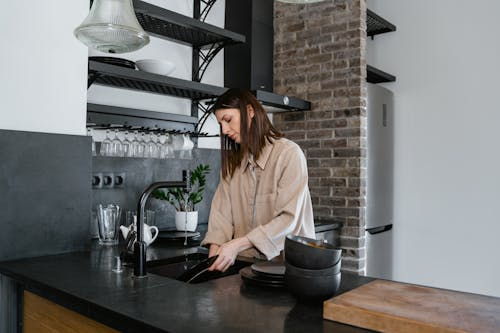
She wakes before the sun rises to prepare school lunch packs, iron uniforms, and get the children ready for the day. After dropping them off, her work continues without pause. There is cooking, cleaning, organising, remembering appointments, and often running to the office or managing the household alone. By the time evening comes and everyone else feels tired from their jobs, her day still has no ending. Dinner must be prepared, stories must be heard, and worries must be carried. She never truly logs off.
Behind every tidy home and every warm meal is a woman carrying an invisible backpack. It is filled not only with chores, but with mental and emotional labour — the constant thinking, planning, anticipating needs, managing emotions, and holding the family together. Psychologists describe this as cognitive and emotional work, yet it is rarely seen or acknowledged. Though invisible, it drains energy just as much as physical labour.
Many housewives feel deeply exhausted because their role has no clear beginning or end. Homemaking is a twenty-four-hour responsibility without weekends or sick leave. Society often undervalues domestic work, leaving women feeling unseen and unappreciated. At the same time, emotional caregiving becomes heavy — managing children’s moods, supporting a partner’s stress, and maintaining family harmony requires immense inner strength. Over time, personal dreams are quietly placed on hold, and identity begins to feel lost beneath responsibility. This combination leads to emotional fatigue and burnout, even when sleep and nutrition appear sufficient.
Globally and locally, statistics confirm this hidden burden. Women perform far more unpaid care work than men, and in South Africa many women spend several hours each day on household and caregiving tasks. At the same time, emotional distress and fatigue are rising across the country. These numbers reveal an important truth: housewives are not “just tired.” They are carrying a weight the world has not learned to see.

Healing begins when the load is named and acknowledged. Small moments of rest — a quiet cup of tea, prayer, journaling, or deep breathing — can restore energy. Sharing responsibilities with partners and children reminds women that caregiving is not meant to be carried alone. Self-compassion must replace guilt, because rest is not laziness; it is survival. Beyond the home, families must become more aware of mental and emotional labour, communities must offer spaces of support, and society must begin recognising unpaid work as meaningful and valuable.

To every housewife, self-employed dreamer, police officer, doctor, teacher, and student who feels constantly exhausted, fatigue is not weakness. It is wisdom. It is your body and soul whispering that something is out of alignment and asking you to pause, seek support, and realign your life with care. When you allow yourself to rest and restore, you do not only heal yourself — you restore the heartbeat of your family, your work, and your community.
🕚If this message feels like it is speaking directly to you, it is not by accident. You do not have to carry this invisible weight alone. Your exhaustion deserves to be heard, your emotions deserve space, and your wellbeing matters. Book a session and allow yourself the time to pause, breathe, and be supported. Together, we can unpack the mental and emotional load you have been carrying and help you reconnect with yourself. Rest is not weakness — it is the first step toward healing. Reach out today and choose yourself, even if just for this moment.
