
By: Naazi Morad
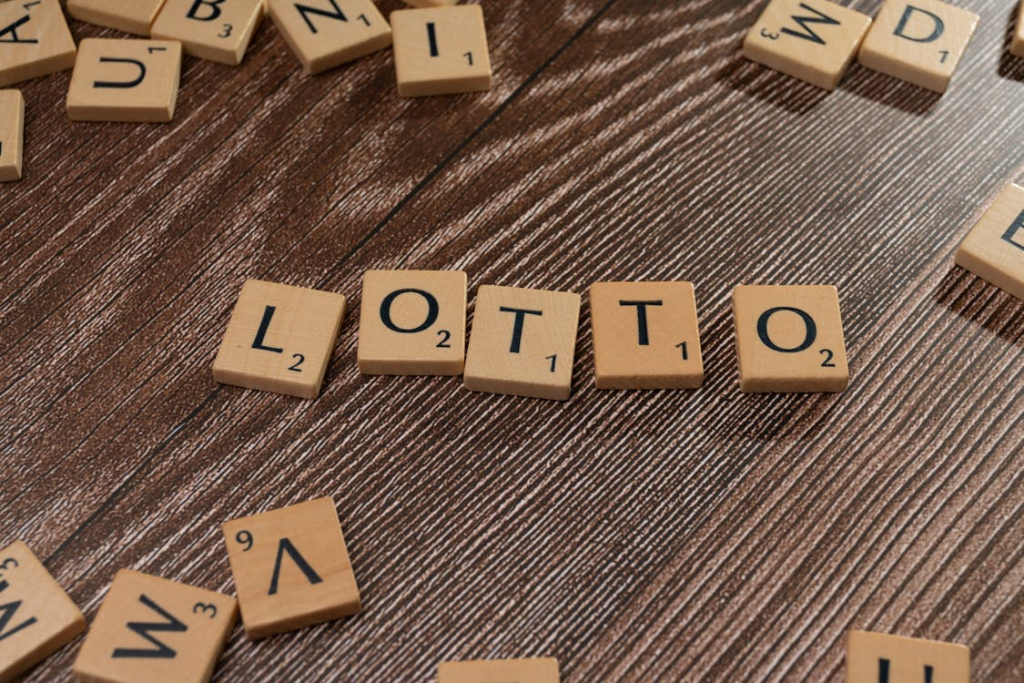
In November 2011, my mother’s best friend, rather like a sister; won R42 million in the lottery. What followed wasn’t a fairy tale, it was a slow unraveling. The money didn’t just change her lifestyle; it changed her values, her relationships, her sense of self. And I’ve often wondered: What is it about sudden wealth that makes people forget where they came from?
The Psychology of Wealth and Identity
Psychologists call it identity displacement, when external changes (like wealth, fame, or status) disrupt a person’s internal compass. Instead of anchoring in values, people begin to anchor in possessions. The car becomes a personality. The brand becomes a belief system. The job title becomes a measure of worth.
This is often driven by social comparison theory, the idea that we evaluate ourselves based on how we stack up against others. In a culture obsessed with visibility, the “wannabe rich” don’t just seek comfort they seek validation. And validation, when outsourced to material things, becomes a fragile currency.
But here’s the paradox: truly wealthy people rarely brag. They don’t need to. Their sense of self isn’t contingent on being seen. It’s grounded in legacy, stewardship, and quiet power.
The Ego’s Hunger vs. The Soul’s Quiet
When wealth arrives without emotional maturity, it feeds the ego, not the soul. The ego wants applause. The soul wants alignment. And when the applause fades, many are left with hollow relationships, performative rituals, and a deep sense of disconnection.
I’ve seen marriages dissolve under the weight of status anxiety. I’ve seen families fracture because someone forgot their roots. And I’ve seen people chase brands like they’re chasing belonging when what they truly need is belonging to themselves.
My Wealth Is Not in My Wallet
I don’t have millions in my bank account. But I have Allah. I have people who care for me, not for my car, my clothes, or my job title, but for my heart. That is wealth. That is legacy.
I believe that what is meant for me will find me, even if it’s buried under a mountain in another country. And what isn’t meant for me may still come, but it will not stay. That’s not superstition. That’s spiritual trust
While one soul weeps over how to survive the week, another frets over shrinking millions. But money was never the measure of worth—it’s the kindness it funds, the dignity it restores, and the lives it lifts that make it sacred.”
The Prophet Muhammad ﷺ said:
“Whoever says to his companion, ‘Come, let me gamble with you,’ should immediately give charity (ṣadaqa) as expiation for doing something forbidden.”
[Sahih al-Bukhari, Book of Tafsir, Hadith on Surah al-Najm]
This reflects the seriousness with which gambling is viewed, not just as a financial risk, but as a spiritual misstep that calls for immediate redress through generosity.
The Qur’an also reinforces this in Surah Al-Ma’idah (5:90), where gambling is described as “abomination of Shaytan’s handiwork”, urging believers to avoid it for their own well-being.
