

Understanding the Psychology of Trauma Bonds, Attachment, and Survival
By Naazi Morad
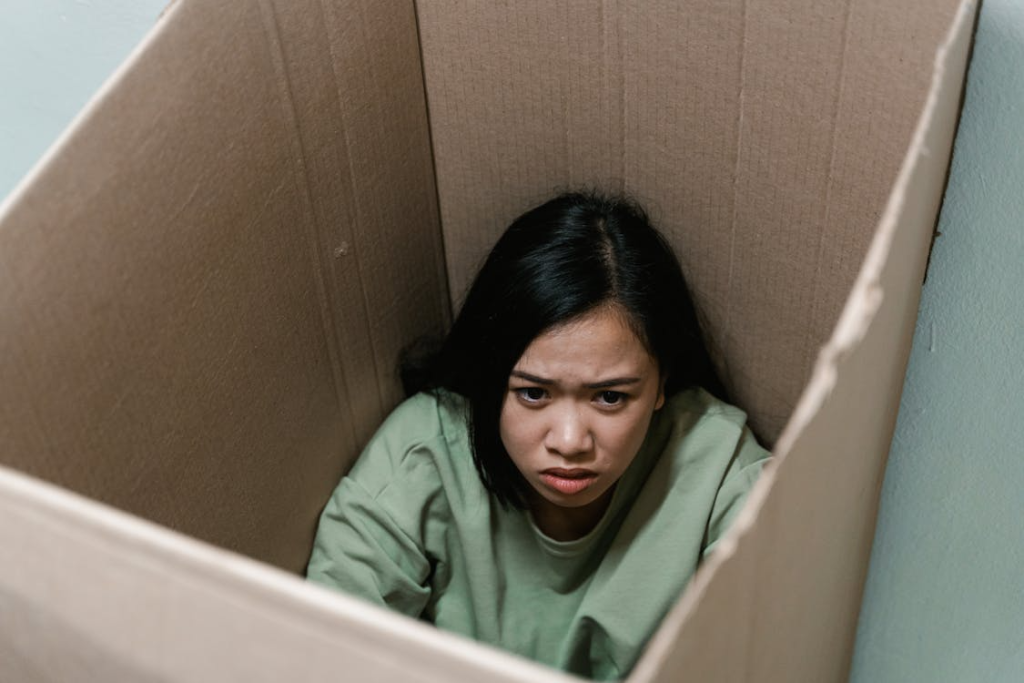

The Question That Echoes: “Why Doesn’t She Just Leave?”
It’s a question whispered in courtrooms, family gatherings, and therapy rooms: Why do women stay when they’re being abused? The answer is not weakness. It’s psychology. It’s survival. It’s heartbreak wrapped in hope.
This blog unpacks the emotional and psychological dynamics from both sides, the victim and the abuser to illuminate what keeps women tethered to pain, and how healing begins.
The Victim’s Side: Trauma, Attachment, and Identity
1. Trauma Bonding
Abuse often follows a cycle: harm → apology → affection → hope → harm again.
Each reconciliation floods the brain with dopamine and oxytocin — the same chemicals triggered by gambling or addiction. This intermittent reward system wires the nervous system to crave the abuser, even when the relationship is toxic.
“It’s not just love, it’s a chemical trap.”
2. Attachment Wounds
Many survivors carry unresolved grief, abandonment, or childhood neglect. Their attachment system equates chaos with love. Leaving feels like severing a lifeline, even when that lifeline is strangling them.
3. Codependency & Identity Loss
Women raised to equate love with sacrifice often become fixers, rescuers, and endures. Their self-worth becomes entangled with the abuser’s healing. Letting go means facing the terrifying question: “Who am I without him?”
4. Grief & Loss History
For some, the abuser is one of the last remaining emotional ties , a symbol of continuity. Leaving feels like another death. Staying feels like preserving what little remains.
5. Hope & Fantasy of Change
Abusers often promise transformation: rehab, therapy, religion, sobriety. This “future faking” keeps victims emotionally invested in who the abuser could be, rather than who they are.
6. Fear & Survival Psychology
Leaving can trigger fears of retaliation, financial ruin, or social shame. In survival mode, staying with the abuser feels safer than facing the unknown.
 The Abuser’s Side: Control, Shame, and Learned Power
1. Control as Safety
Abusers often feel emotionally unsafe themselves. They use control, financial, emotional, physical, to regulate their own anxiety. The victim becomes a mirror for their unresolved wounds.
2. Shame & Projection
Many abusers carry deep shame. Instead of facing it, they project it outward, blaming, belittling, and breaking down their partner to avoid self-reflection.
3. Learned Power & Entitlement
Abuse is often generational. Abusers may have witnessed or experienced violence as children. They internalize the belief: “Love means dominance.”
4. Fear of Abandonment
Ironically, abusers often fear being left. Their cruelty is a twisted attempt to keep the victim close through guilt, fear, or dependency.
Healing Begins with Understanding
Leaving an abusive relationship is not a single act , it’s a process of reclaiming identity, safety, and emotional literacy.
Therapy helps survivors: Recognize trauma-driven attachment, separate emotional needs from toxic patterns and build a life where love no longer equals pain
 Final Thought
If you’ve ever asked “Why does she stay?” – ask instead:
“What happened to her?” “What does she need to feel safe enough to leave?”
And if you are her, know this: Your pain is not your fault. Your healing is your birthright. You are not alone.
