By Naazi Morad
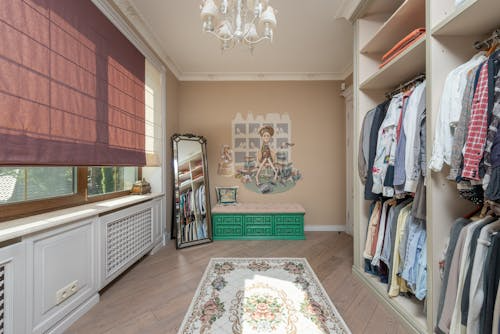
Many of us hold on to things without fully understanding why. Shoes we no longer wear. Clothes that no longer fit our bodies or our lives, bags, dishes, and household items kept “just in case.” Over time, our cupboards fill with yesterday, while our hearts grow heavy with fear of not having enough. We tell ourselves these things, that it might be useful one day. That they were expensive, or that we might need them again. Yet often what we call preparation is really attachment, and what we call saving is really fear of letting go.

Ask yourself honestly: when last did I use this? If something has not been touched in a year, does it still serve you, or are you serving it? We keep clothes that hurt our feet, objects tied to memories we have outgrown. Things that no longer reflect who we are. What begins as storage slowly becomes emotional weight. Behind the clutter is often a quiet story of loss, insecurity, or.
A voice that says, “If I let this go, I may not have enough later.”
This is not just about cupboards. It is about the mind and the heart. Hoarding is not only physical; it is emotional. We hold on because emptiness feels unsafe. But emptiness can become space, and space can become healing. A wardrobe with fewer clothes becomes a wardrobe of choice. A home with fewer things becomes a place that can breathe. And often, as our homes feel lighter, so do we.
Giving must be done with care and dignity. Letting go is not about passing on what is broken or unwanted. It is about sharing with intention. Before giving, we can ask: Would I wear this myself? Would I feel respected receiving this? This practice teaches us something powerful — that we are worthy of respect, and so are others. Letting go becomes an act of self-awareness rather than guilt.
The deeper question is not, “Why should I give this away?” but rather, “What am I afraid will happen if I don’t?” Many of us carry fears shaped by past hardship, emotional neglect, or instability. These fears do not live only in our thoughts; they live in our cupboards, our drawers, and our habits. When we loosen our grip on objects, we often begin loosening our grip on old wounds, control, and anxiety.
At Wellness Within Therapy, we often see how emotional clutter mirrors inner struggle. Fear of loss, difficulty trusting, trouble releasing the past, or feeling unsafe with change. Therapy offers a gentle space to explore what you are holding onto and why. It is not about forcing yourself to let go. But about understanding what your heart has been protecting and learning healthier ways to feel secure.
Sometimes the most meaningful act is opening a cupboard.
Choosing with honesty, and saying, “This no longer serves me, but it can bless someone else.” In that moment, you are not just clearing space in your home — you are creating space within yourself. Space for calm. Space for trust. Space for who you are becoming.
