
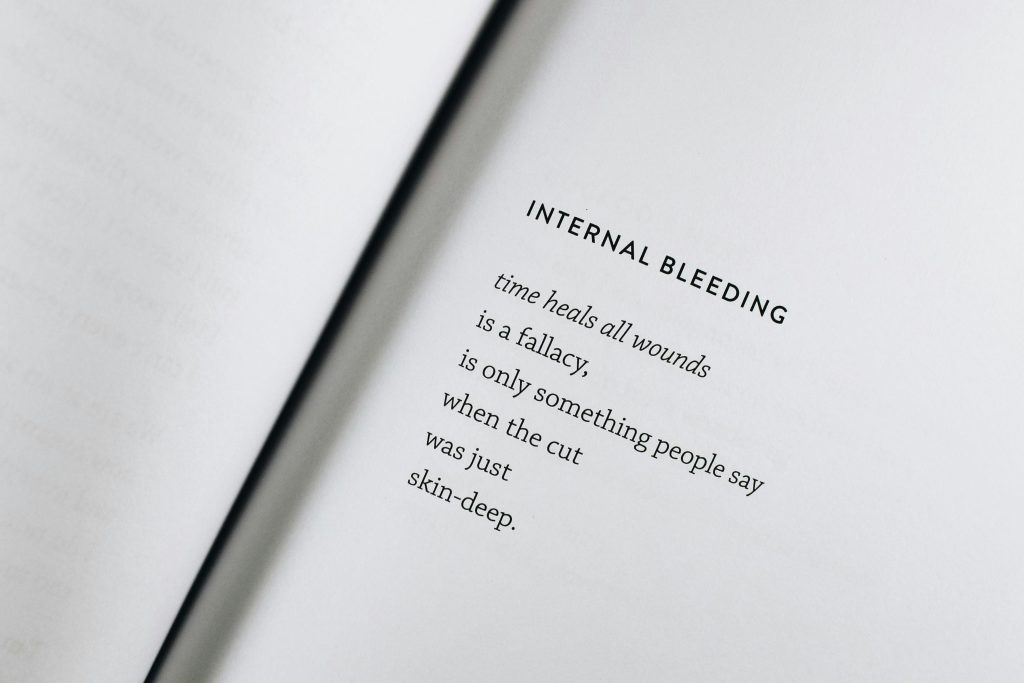
Respect, once the pulse of familial harmony, is now fading like an iceberg under global warming. Quiet erosion. Unseen devastation.
In homes where elders once sat with dignity, we now hear raised tones, verbal aggression, and psychological invalidation. Sons, rather than defusing conflict, step forward with clenched fists and ego-driven retorts, challenging the father who once carried them through illness and sacrifice.
This is not conflict. This is emotional abuse. And the impact is chilling.
When the sick, those who once nurtured and protected, are insulted and belittled, the walls absorb more than echoes. They absorb trauma. If those walls could cry, they surely would. Because many mothers, fathers, children sit behind those walls, silently weathering domestic power imbalance, emotional neglect, and generational disrespect.
 The Psychology of Disrespect
In therapy, we understand this through concepts like:
Projection: Redirecting one’s internal shame or inadequacy onto vulnerable targets.
Displacement: Taking frustration from external pressures and unleashing it where there’s least resistance often against elders or dependents.
Power Dysregulation: Mistaking domination for strength and using psychological force where love should lead.
To the abuser, I ask without apology: Does this make you feel powerful? Strong? Masculine? Feminine? Is your identity built on harming those who cannot fight back? These are not rhetorical questions. They are therapeutic confrontations; the kind that crack denial open and demand introspection.
A Call to Wellness
We must restore relational integrity. – Therapeutic intervention begins with naming abuse, even when it’s dressed in tradition or normalized rage. Self-regulation practices, like breathwork and reflective journaling, can interrupt reactive patterns. Intergenerational healing must center on respect; not just for what someone says, but for what they’ve survived.
True strength is restraint. True power is protection. True masculinity and femininity are measured by how you uplift others, not how you diminish them.
To those suffering silently: You deserve safety. You deserve peace. You deserve to be spoken to with dignity.
To those perpetuating harm: The journey to healing begins when you stop justifying your behavior and start confronting your wounds.
“If the walls could cry, they would drown in silence” by Naazi Morad?
