By Naazi Morad
We often imagine healers as people who have always been strong.
People who have always known peace.
People untouched by chaos.
But real healers are rarely born from comfort. They are born from loss. From heartbreak.
From unanswered prayers. From nights that felt too long and days that felt too heavy. Sometimes, the healer is the one who has walked the hardest road.
Pain Changes the Way You See People
When you have suffered, you no longer look at others with judgment. You look at them with understanding. You stop asking, “Why are they like this?” And you start asking, “What happened to them?”
Pain teaches you that behind every behaviour is a story. Behind every addiction is a wound.
Behind every anger is fear. Behind every silence is grief. Those who have walked through their own storms know how to sit with another person in theirs without rushing them out of it.
They do not try to fix people.
They try to see them.
The Hardest Roads Create the Softest Hearts
There is a strange wisdom that comes from suffering.
It strips away arrogance.
It humbles the ego.
It breaks illusions of control.
When you have begged Allah in the depths of your pain, you no longer speak lightly about faith.
When you have watched someone you love self-destruct, you no longer speak lightly about patience.
When you have survived what you thought would destroy you, you no longer speak lightly about strength.
Hard roads make hearts softer, not harder — if we allow them to.
And that softness becomes medicine for others.
Your Wounds Become a Language Others Understand
People who are hurting do not need perfect words.
They need presence.
They need someone who can say, without saying it:
“I know this pain. I have been here too.”
That is why those who have suffered often become the safest place for others.
Not because they have all the answers — but because they do not run from the questions.
Their wounds become a bridge.
Their tears become understanding.
Their scars become proof that healing is possible.
Faith Grows Deeper in the Dark
When life is easy, faith can remain shallow.
But when life breaks you open, faith becomes intimate.
You learn that Allah is not only found in blessings, but in endurance.
Not only in joy, but in surrender.
Not only in solutions, but in silence.
Sometimes Allah does not remove the storm.
Sometimes He reshapes the heart that walks through it.
And from that reshaped heart, a healer is born.
Healing Others Does Not Mean You Are Healed Completely
Being a healer does not mean you are free of pain.
It means you have learned how to live with it without becoming bitter.
Healers still cry.
They still struggle.
They still have days of doubt.
But they also carry something sacred:
the ability to hold space for another soul without turning away.
They understand that healing is not a destination.
It is a journey we walk together.
Your Story Is Not a Burden — It Is a Calling
What you survived was not random. What you endured was not wasted. Your pain shaped your purpose.
Sometimes the healer is the one who:
- lost a child
- loved an addict
- lived through trauma
- felt abandoned
- questioned God
- almost gave up
And still chose compassion. That is not weakness. That is divine work.
A Different Kind of Strength
Strength is not loud. It does not shout. It does not prove.
True strength sits quietly beside suffering and says:
“You don’t have to go through this alone.”
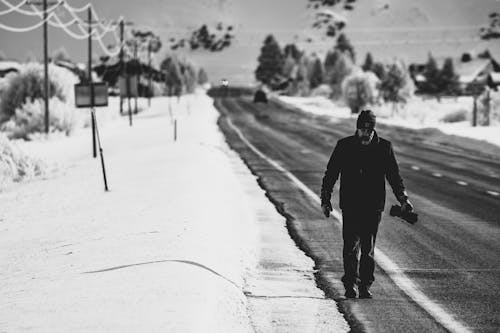
Sometimes the healer is the one who has walked the hardest road because:
They know the way back from darkness.
They know the language of broken hearts.
They know how to love without conditions.
Closing Reflection
If you have walked a hard road, do not curse it.
It may be the very thing that made you capable of healing others.
And if you are healing someone else while still healing yourself, remember:
Your empathy is your gift.
Your scars are your credentials.
Your story is your service.
Sometimes the healer is not the one who escaped pain.
Sometimes the healer is the one who stayed, survived, and chose mercy anyway.
And that… is sacred work.
