By: Naazi Morad

We all know someone like this: the family member, friend, or sibling who expects others to be there for them but rarely shows up in return. They might send you a WhatsApp message about how sick they are, but never ask how you’re doing. They claim to be the black sheep of the family, yet they hold money, status, and power, refusing to help when you are in need. Instead, they manipulate situations to benefit themselves, and when you finally stand your ground, they play the victim card.
But what psychology lies behind this “me, myself, and I” type of behavior? Why do some people take more than they give, and how can you protect yourself from being drained by them?
The Psychology Behind the “Taker” Mentality
1. Narcissistic Traits
Not everyone who behaves selfishly is a narcissist, but many exhibit narcissistic tendencies. These individuals focus on their own needs, emotions, and problems, while disregarding others. They thrive on being the center of attention and may guilt-trip loved ones into constantly caring for them.
2. Victim Mentality
Some people position themselves as the perpetual victim. They use statements like “I’m always the black sheep” to justify their behavior and avoid accountability. By framing themselves as misunderstood or mistreated, they manipulate others into giving sympathy, without ever offering support in return.
3. Entitlement & Manipulation
These individuals often believe they deserve more from others because of their status, money, or family role. When you resist their demands, they may twist the story, accusing you of being selfish or uncaring. This cycle of manipulation keeps them in control.
4. Lack of Emotional Reciprocity
Healthy relationships are built on give and take. But these people only know how to take. They rarely offer a simple “hello” or “salaam” before talking about themselves. Over time, this one-sided emotional exchange leaves their loved ones feeling unseen, unheard, and exhausted.
Why They Refuse to Help — Even with Power and Money
It may seem confusing: why do people with wealth, power, or influence still refuse to help when you need it?
- Control: By withholding support, they maintain power over others.
- Fear of vulnerability: Helping others requires empathy and connection, traits they may lack or suppress.
- Conditional love: They give only when it benefits them, turning relationships into transactions.
How to Protect Yourself from “Me, Myself, and I” People
- Set Boundaries: Don’t allow guilt or manipulation to override your peace.
- Limit Emotional Energy: Stop over-giving where there’s no reciprocity.
- Detach from the Drama: Refuse to engage in the victim narrative.
- Focus on Balanced Relationships: Invest in people who value, respect, and support you in return.
The “me, myself, and I” personality is draining because it thrives on taking without giving back. Whether in family, friendships, or relationships, these individuals often use manipulation, entitlement, and victimhood to control others. Recognizing these patterns allows you to step back, protect your energy, and invest in healthier, more reciprocal connections.
Remember: your worth is not defined by how much you give to people who only take.
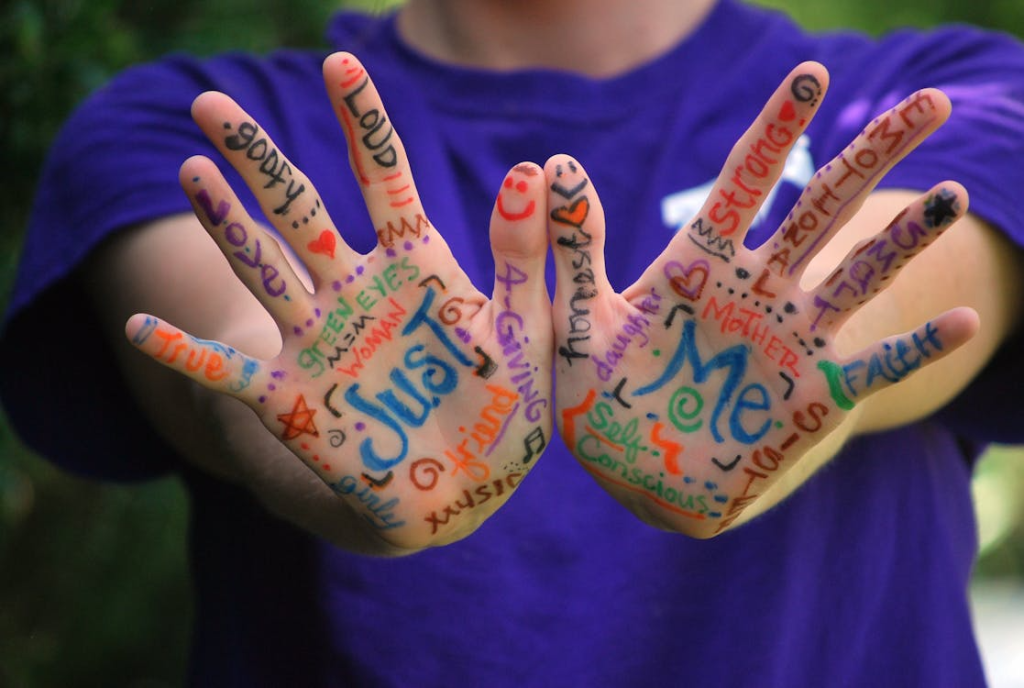
Me, Myself and I !!!
