
By Naazi Morad
When Jason’s girlfriend ended their relationship, he expected sadness. He did not expect his body to feel like it had been physically hit. His chest tightened, his stomach churned, and sleep became impossible. Every time he tried to focus at work, his thoughts wandered back to her. Why did it hurt so much? He wondered if he was broken.
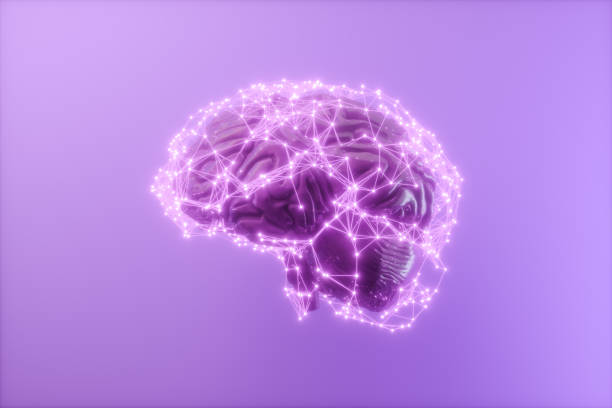
The truth is, heartbreak literally changes your brain. When a relationship ends, your anterior cingulate cortex, the area of your brain that processes emotional pain, lights up just like it would with physical injury. The amygdala, which triggers fear and anxiety, becomes hyperactive. The prefrontal cortex, responsible for rational thinking, struggles to keep up. This is why Jason felt impulsive, overwhelmed, and unable to think clearly. His brain was hijacked by loss.
His friends told him to “move on” or “distract himself,” and while their support was comforting, it didn’t stop the obsessive thoughts. Heartbreak activates the brain’s dopamine reward pathways, creating a craving for the emotional connection that is now gone. Checking her social media, replaying conversations in his mind, and longing for the “what ifs” were his brain’s way of trying to restore balance. His nervous system was on overdrive, pumping stress hormones like cortisol, which explained his racing heart, restless nights, and irritability.
Jason finally decided to seek therapy. At first, he was skeptical — he had friends to talk to. But therapy was different. His therapist helped him understand why he felt physically and emotionally unwell. Together, they explored how his brain stores emotional memories in the hippocampus and how his body’s fight-or-flight response had been triggered. Through mindfulness exercises, cognitive restructuring, and guided reflection, Jason slowly began to calm his nervous system and regain control over his thoughts. He learned that the intense pain he felt was natural and temporary, and that his brain was capable of healing.
Over time, Jason noticed changes. The obsessive thoughts became less frequent. He could think of his ex without triggering panic or physical tension. He slept better and could focus at work again. Therapy had retrained his brain to process emotional pain safely, helping him regain clarity and resilience.
Heartbreak may feel permanent, but neuroscience shows that with intentional support, emotional processing, and professional guidance, the brain and body heal. Jason realized that heartbreak was not a sign of weakness — it was a biological response to loss, one that could be transformed into growth and emotional strength.
At Wellness Within Therapy, we help individuals navigate the intense emotional and neurological effects of heartbreak. Therapy provides tools to process grief, rewire thinking patterns, and rebuild self-love. Your heart and brain are capable of healing, and with guidance, clarity, and support, you can emerge stronger, wiser, and emotionally resilient.
📞 Book an Appointment
Wellness Within Therapy
Call: 084 397 2238
By appointment only
