
By: Naazi Morad
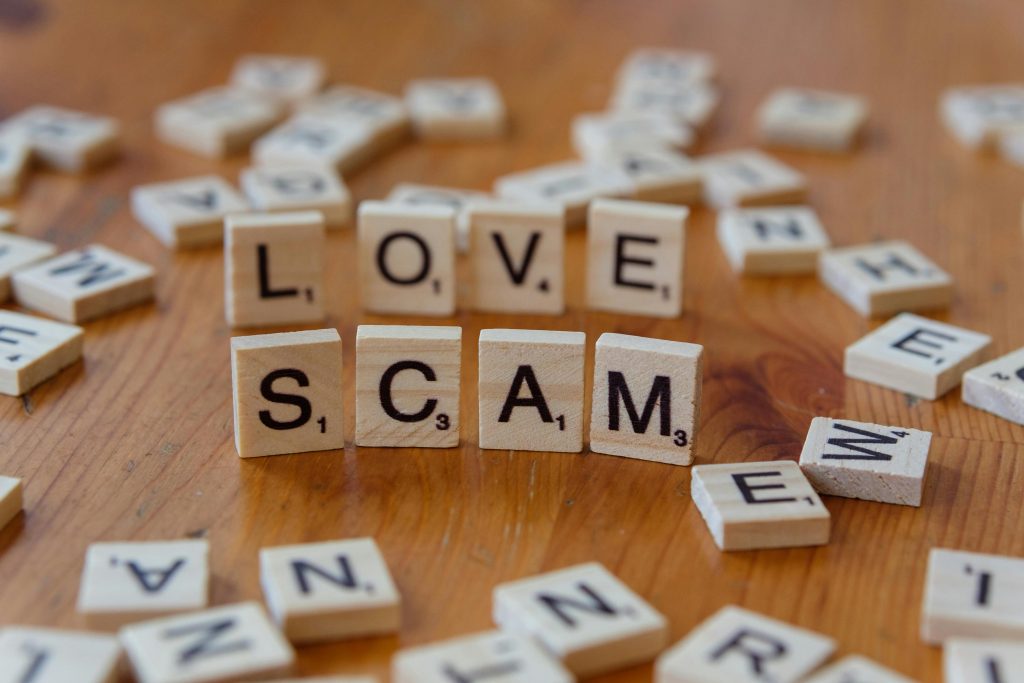
In a world where vows are spoken and “forever” is promised, fidelity often feels like a core element of love. Yet increasingly, marriage and committed relationships are undermined by cheating, sometimes within the first year. Why do people betray the ones they profess to love? What psychological holes, unmet needs, or temptations lead someone, happy or not, to cross that line, even when there are plenty of “suitable” partners around? And why does the forbidden fruit seem to ripen just when loyalty should be strongest?
Marriage: Sacred No More? The State of the Union
Before diving into why cheating happens, it’s helpful to see what data tells us about marriage and divorce in modern times.
- In the U.S., the overall divorce rate has been declining somewhat over recent years, but it’s still substantial, around 2.4 divorces per 1,000 people in 2023.
- About 40% of married couples are affected by infidelity, according to some studies.
- Divorce is common early: some sources estimate that ~10% of marriages end in divorce within the first year.
- For second marriages, the risk is higher: ~60-67% of second marriages end in divorce, compared with about 40-50% of first marriages.
While the exact numbers vary by country, culture, socio-economic class, etc., the pattern is clear: many marriages are fragile early on, and infidelity plays a large role in the breakdown of trust and stability.
Why Do Men & Women Cheat even in “Good” Relationships?
Infidelity doesn’t always arise from hate, neglect, or obvious problems. Sometimes relationships look stable on the outside, even fulfilling. Yet people still cheat. Psychology offers several threads that weave together to explain this.
Key Motives & Underlying Needs
From psychological research:
Even in “Good” Marriages
Why does it still happen when things look “good”?
- Unspoken Needs and Communication Gaps: A marriage can appear functional—stability, children, financial security—yet emotional or sexual needs may go unvoiced. What’s visible is not always what’s felt.
- Complacency & Habit: Over time, passion can fade into routine. People may mistake stability for satisfaction and dismiss small alerts of disconnection.
- Individual Psychology: A person might have unresolved issues (childhood wounds, attachment insecurities, past losses) that make them more prone to look outside the relationship for fulfillment.
- Social & Cultural Influences: Media, peer norms, social media, and even the normalization of divorce or multiple partners can shift what people consider acceptable.
Why Cheat with the “Unavailable” Person? (Married / Taken)
One of the more paradoxical phenomena: someone in a relationship (or married) still becomes the object of affair. Why?
- Forbidden Fruit Effect: There’s a psychological pull in wanting what one cannot have. The unavailability adds allure. It’s not just about the person, they become “chosen despite the boundaries,” which can feel more special.
- Idealization / Projection: Sometimes people project qualities onto the unavailable partner, imagine the person is more attentive, more exciting, more free. The real flaws might be overlooked.
- Low Risk, High Reward Mentally (initially): Because the “unavailable” person is taboo, the excitement + risk heightens arousal, novelty, and the feeling of danger.
- Escape from “normal” life: If someone feels trapped by their routine, work, expectations, parenting they might fantasize about someone outside who represents escape or novelty.
Why Hearts Seek What They Can’t Have & the Craving for Forbidden Fruit
Some more psychological/symbolic reasons:
- Scarcity and Desire: Often what is scarce or forbidden is more coveted. It’s a basic psychological tendency: when something is off-limits, its perceived value rises.
- Romantic Fantasies: Our culture often glamorizes the idea of “dangerous love,” “against the odds,” etc. People internalize that romance involves overcoming barriers.
- Self-Discovery & Validation: Sometimes cheating isn’t only about the other person; it’s about what one feels for themselves, being desirable, powerful, noticed.
Consequences: How “Good” Relationships Break Because of Betrayal
When cheating happens, even if the couple looks good, several things can break down:
- Trust is damaged: Once trust is broken, even subtly, it’s hard to rebuild. The betrayed partner may always wonder, always suspect.
- Emotional Withdrawal: Hurt, shame, betrayal can cause withdrawal, one or both partners stop opening up, stop being vulnerable.
- Conflict & Blame: The aftermath often brings fights, blame, comparison (“if you had…,” “you didn’t…”), which deepen wounds.
- Self-identity Trauma: The betrayed partner may question their worth, value, desirability. The one who cheated may feel guilt & shame which are isolating.
- Increased likelihood of divorce: Emotional betrayal is one of the strongest predictors of divorce, especially when accompanied by other problems (communication, finances, etc.).
“Good Marriage, Yet Broken”: Case Scenarios
To illustrate, imagine:
- Scenario A: A husband or wife who feels overwhelmed by routine, job, parenting, bills, and says, “everything is okay, but I feel like I don’t matter.” Then someone outside listens, shows interest, and offers attention. That feeling of being seen can accelerate an emotional affair.
- Scenario B: A partner with deep insecurities (past rejection or abandonment) who needs frequent affirmation. The partner believes they are doing enough, but not enough emotionally or physically, leading to dissatisfaction and vulnerability to someone who more overtly affirms them.
These scenarios show that cheating is not always about big failures, sometimes about the accumulation of small unmet needs, unspoken longings.
So What’s the Psychology Behind It All?
Putting all this together, some of the psychological frameworks involved:
- Attachment theory: Secure vs insecure attachment styles. People with anxious or avoidant styles may respond poorly to perceived threats to intimacy and turn outside.
- Self-esteem regulation: Using relationships (or affairs) to soothe self-doubt or boost self-image.
- Cognitive dissonance: One may rationalize cheating (“I deserve this,” “I’m not being fulfilled,” “it’s not hurting them”) to reconcile the guilt of acting against stated values.
- Temptation & opportunity: It’s easier to cross boundaries when the opportunity presents itself and moral or relational defenses are weak.
What Can Be Done: Repair, Prevention & Sanctuary
It’s not all doom: even in strong marriages, there are ways to protect, heal, and strengthen.
- Open communication: Talking early and often about needs, sexual, emotional, affirmation, before they become resentments.
- Emotional attunement: Checking in: Do you feel heard? Do you feel valued? Do you feel desired?
- Boundaries & transparency: Especially in friendships or work relationships that might turn intimate outside marriage; being cautious about closeness that can act as a gateway.
- Couples therapy / Individual work: Addressing personal insecurities, past traumas, or unmet expectations.
- Re-igniting novelty: Shared new experiences, adventures, surprises help renew excitement.
Conclusion
Relationships, even the ones founded on love, are vulnerable. Love is necessary, but not always sufficient. For love to sustain, it must be accompanied by emotional awareness, honest communication, and a willingness to meet the hard needs, not just the easy ones. Because often, people don’t cheat simply because they stop loving; they cheat because they stop being seen, being felt, or feeling like themselves.
If we recognize that, perhaps marriages can re-claim their sacredness—not through perfection, but through ongoing presence, honesty, and the courage to keep showing up, even when we are hurt, afraid, or tempted.
