

By Naazi Morad
Marriage isn’t always what we expect. The person you fell in love with may not be the person you married. Small frustrations pile up. Words are said too quickly, silence is taken too personally. It’s easy to feel alone even in the same house. But here’s the truth: challenges don’t mean failure. They mean opportunity—to understand, to listen, and to grow together. You can learn to reconnect, rebuild trust, and protect the love that brought you together in the first place.
Many couples come to us struggling. They discover the person they married is not the person they thought they knew. Expectations clash. Small disagreements become big fights. Petty issues explode into full-blown conflict.
External influences make it worse. Families, friends, social pressures—they all play a part. Separation and divorce creep in quietly.
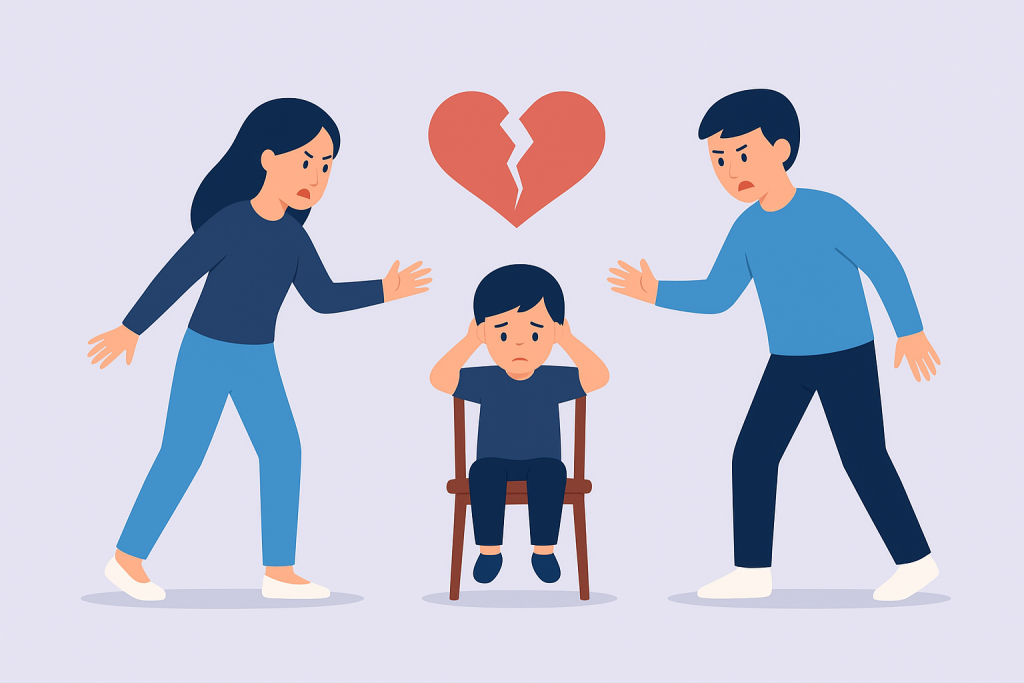
And the children? They watch. They absorb the tension. They do not have the mental framework to understand what is happening.
Years later, we question our choices. Did we unknowingly pass down patterns we never addressed? Did our own expectations feed the fire? Too often, we forget to reflect. Too often, we point the finger outward, rather than inward.
The dynamics become painful. He shuts down. Stonewalls. Refuses to listen. Walls replace words. Name-calling starts. She nags. Over and over. Searching for understanding. Searching for connection. Men often retreat from nagging. Women often hurt in silence.
It’s a vicious cycle. Communication breaks down. Respect erodes. Love gets lost in misunderstanding.
But it doesn’t have to stay this way. Awareness is the first step. Understanding emotional triggers. Learning when to speak. Learning when to pause. Learning to reconnect before conflict spirals.
Marriage is not about winning or losing. It’s about building together. It’s about empathy, listening, and emotional intelligence. When both partners commit to growth, even small steps can prevent long-term damage. Loving a spouse with all their imperfections—that is marriage. No relationship grows without challenges. What makes a marriage strong is understanding this simple truth: you are you, and I am me. I can not control you, and you can’t control me. But together, we can learn to meet halfway, to compromise, and to navigate life as partners. This is what it truly means to love someone—not despite their faults, but with them.
Children notice more than we realize. They mimic patterns. They learn from the energy we bring into the home. And they deserve a space free from toxicity.
Marriage challenges are common. But accountability, self-awareness, and courage to change can rewrite the story. Love alone is not enough. But love guided by respect, understanding, and emotional awareness can save a marriage, and heal a family.
Who is responsible for the child’s well-being?
