By Naazi Morad
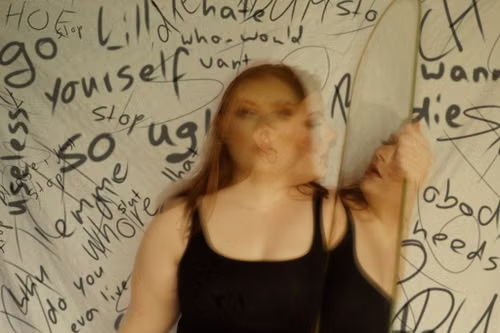
There is an old story that says every person wears two faces: the one the world sees and the one only they know. Whether or not the story is true, it invites us to ask a profound question: Who are you when no one is watching? It is a question that many of us avoid because the answer requires honesty. We spend so much of our lives becoming who others expect us to be that we rarely stop to ask whether the person we present to the world is truly ourselves.
From childhood, we begin learning which parts of ourselves are accepted and which are rejected. Some children are praised for being quiet, while others are told they are “too emotional,” “too sensitive,” or “too different.” Over time, we adapt. We learn to smile when we are hurting, to remain silent when we want to speak, and to become versions of ourselves that seem more acceptable. This often happens unintentionally. It is not always driven by fear, but by a deep human desire to belong, to be accepted, and to avoid judgment. Slowly, the mask becomes so familiar that we forget it was ever a mask.
In today’s world, the pressure to appear perfect has never been greater. Social media has created a culture where carefully selected moments are mistaken for reality. Filters smooth our skin, brighten our smiles, and erase the features that make us unique. We compare our everyday lives to someone else’s carefully edited highlight reel, often believing that everyone else has life figured out while we alone struggle. Yet behind many of those perfect photographs are the same insecurities, disappointments, and questions that so many quietly carry. The image may be flawless, but the person behind it may still be wondering if they are enough.
The masks we wear are not always harmful. Sometimes they have protected us through painful experiences, rejection, trauma, or difficult relationships. They helped us survive seasons when vulnerability felt unsafe. The problem arises when the mask that once protected us begins to define us. We become exhausted trying to maintain an image, fearful that if people saw the real person beneath it, we would no longer be accepted. Living this way can leave us disconnected from ourselves, constantly seeking validation from others while losing sight of our own worth.
Authenticity does not mean revealing every part of yourself to everyone. It means allowing your outer life to reflect your inner values. It is having the courage to acknowledge your imperfections without believing they diminish your value. It is recognising that your worth was never meant to be measured by likes, compliments, status, or the approval of others. The people who genuinely care about you will appreciate your authenticity far more than a version of you that exists only to please them.
Perhaps the greatest journey in life is not becoming someone new, but remembering who you were before the world convinced you to wear a mask. It is learning to accept your strengths alongside your weaknesses, your successes alongside your failures, and your uniqueness without apology. When you stop trying to fit into every expectation, you create space for genuine relationships, deeper self-respect, and lasting peace.
Today, stand in front of a mirror for just a moment longer than usual. Look beyond your appearance and ask yourself, “Who am I beneath the roles I play, the expectations I carry, and the image I present to the world?” You may not have all the answers today, and that is perfectly okay. Self-discovery is not a destination but a lifelong journey. The greatest freedom comes not from becoming the person everyone else wants you to be, but from having the courage to become the person you were always created to be.
Reflection
As you continue through your day, take a moment to consider these questions: Am I living according to my own values or the expectations of others? When do I feel most like myself? Where in my life am I pretending instead of being authentic? If there were no fear of judgment, what would I do differently? Remember, the world does not need another perfect image. It needs more people who have the courage to be genuinely, imperfectly, and authentically themselves.
– Wellness Within Therapy
