When Drug Addiction Slowly Takes Over a Life – By Naazi Morad
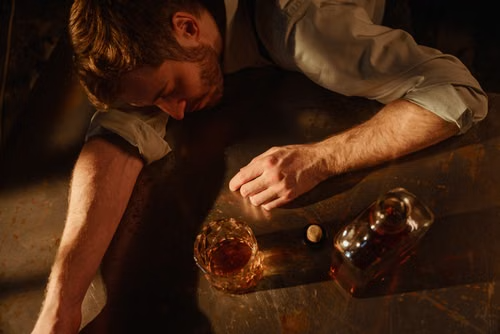
What if the person you love is still in there… but addiction is becoming louder than they are?
At first, you may tell yourself:
“It’s just weed.”
“He is going through a phase.”
“She can stop whenever she wants.”
“He has always been like this.”
“Maybe I am overreacting.”
And then one day, you realise something has changed.
The person you knew is becoming harder to recognise.
Their personality changes.
Their priorities change.
Their friendships change.
Their relationship with money changes.
Their hygiene deteriorates.
They become secretive, defensive or aggressive.
They start lying.
And sometimes, stealing becomes normalised because getting the next high has become more important than almost everything else.
This is where families often find themselves trapped between two painful realities:
“I love this person.” and “I cannot live with what their addiction is doing to us.”
Drug addiction doesn’t always look like what we imagine
When people hear the word addict, they may imagine someone who has completely lost everything. But addiction can begin long before that. It can begin with experimentation. It can begin socially. It can begin as a way to escape stress, trauma, anxiety, depression, loneliness or emotional pain. It can begin with cannabis, alcohol, prescription medication or another substance.
And for some people, substance use gradually becomes more frequent, more intense and more difficult to control.
But there is no single “weed → hard drugs” pathway. Many people who use cannabis do not progress to other drugs. The danger is when substance use becomes compulsive and begins taking priority over health, relationships, responsibilities and safety.
Addiction is not simply about which drug someone takes. It is about what the substance begins doing to the person’s brain, behaviour and life.
What drugs are we talking about?
Drug addiction can involve many different substances, including:
- Cannabis / marijuana
- Methamphetamine / crystal meth / tik
- Heroin
- Nyaope / whoonga
- Cocaine / crack cocaine
- Mandrax / methaqualone
- MDMA / ecstasy
- LSD and other hallucinogens
- Prescription opioids
- Benzodiazepines and other sedatives when misused
- Codeine-containing medicines when misused
- Inhalants
- Synthetic and emerging psychoactive substances
- Polydrug use — using more than one substance
In South Africa, SACENDU treatment data monitors substances including cannabis, methamphetamine, heroin/opiates, cocaine/crack and methaqualone, while noting that nyaope and whoonga are street names associated with heroin and may contain combinations of substances. The substance may change. The consequences can become devastating.
When the brain starts changing
Addiction is not simply someone being weak, lazy or bad. Repeated drug use can change the brain’s reward, motivation, learning and decision-making systems. Substance use disorder is characterised by impaired control, continued use despite harmful consequences, risky use and, in some cases, tolerance and withdrawal.
This is why someone can look at the destruction happening around them and still say:
“I don’t have a problem.” Their brain is not necessarily processing the situation in the same way a healthy family member is. The family sees: “You are destroying your life.” The person may feel: “You are trying to control me.”
The family sees: “You are lying.” The person may feel: “I have to protect myself.”
The family sees: “You don’t care about us anymore.” The person may feel: “Nobody understands what I’m going through.”
And this is where addiction creates an enormous emotional wall between the person using drugs and the people desperately trying to reach them.
What does the person taking drugs actually feel?
This is something families often struggle to understand. The person may experience temporary relief, pleasure, confidence, numbness, energy or escape. But as dependence develops, the relationship with the drug can change. The person may begin using not because they are chasing happiness, but because they are trying to escape feeling terrible without the substance.
They may experience:
- Anxiety
- Irritability
- Restlessness
- Depression
- Shame
- Paranoia
- Emotional numbness
- Cravings
- Sleep disturbances
- Difficulty concentrating
- Anger
- Suspicion
- Emotional instability
- Withdrawal symptoms
- A desperate preoccupation with obtaining and using the substance
And with some substances, particularly stimulants and other drugs, severe paranoia, confusion or hallucinations can occur. Drug use can also worsen existing mental health difficulties or trigger psychiatric symptoms in vulnerable individuals.
And then life starts shrinking
This is one of the most heartbreaking parts of addiction. The person’s world can become smaller and smaller.
Instead of: Family → Work → Children → Goals → Relationships → Health the priority can become:
Drug → Craving → Money → Drug → Recovery from the high → Finding the next opportunity to use.
Everything else begins moving to the background. Work becomes difficult. Relationships deteriorate. Money disappears. Promises are broken. Responsibilities are ignored. Children may feel abandoned. Partners may feel betrayed. Parents may feel helpless.
And the person using drugs may become increasingly isolated from the people who once mattered most.
When stealing becomes part of the cycle
Families often ask: “How can my child steal from me?” “How can my husband take money from his own children?” “How can someone sell household possessions?” The answer is not that addiction magically removes someone’s morality.
Rather, severe addiction can create powerful compulsive drug-seeking behaviour and impaired decision-making. The need to obtain the substance can become overwhelming. And this is where families may begin experiencing:
Missing money. Missing phones. Missing jewellery. Missing appliances. Borrowed money that never comes back. Repeated promises that are never kept. At some point, the family has to stop asking: “How can I cover this up?”
and start asking:
“How do we respond to this problem?”
Then gambling can enter the picture
Substance addiction and gambling problems can sometimes occur together. The person may gamble because they desperately need money. They may gamble because they believe they can win enough money to fund their drug use. They may gamble to escape emotional pain. They may chase losses. And once again, the family can become trapped in the cycle of borrowing, covering, rescuing and paying debts.
But gambling does not solve addiction. It can add another destructive behaviour to an already unstable situation.
Why does their hygiene change?
One of the signs families sometimes notice is a dramatic decline in self-care. The person may stop caring about:
- Bathing
- Brushing their teeth
- Clean clothing
- Eating properly
- Sleeping properly
- Their appearance
- Their home environment
- Work responsibilities
This isn’t simply: “They’re lazy.” When addiction becomes severe, basic self-care can become less important than obtaining and using the substance. Some drugs can also cause significant physical consequences; for example, methamphetamine is associated with severe dental problems, while opioids can cause fatal overdose.
And then the family meets someone they don’t recognise
Perhaps the most frightening stage is when the person begins behaving in ways that seem completely out of character. They may become:
Suspicious. Paranoid. Aggressive. Secretive. Emotionally detached. Manipulative. Unpredictable.
They may accuse people of things that aren’t happening. They may believe people are watching them. They may hear or see things that others cannot. They may become convinced that everyone is against them. And the family thinks:
“Where did my child go?”
But perhaps the more painful question is: “How much of this is the person I love, and how much is the addiction?”
The person we love vs. the addiction we hate
This is where families need compassion and boundaries. Your loved one is still a human being. They may still have the same childhood memories. The same smile. The same heart. The same potential. The same little child you once protected.
But addiction can hijack behaviour. And loving someone does not mean approving of everything they do.
You can say: “I love you.” and also say: “I will not give you money for drugs.”
You can say: “I want you to recover.” and also say: “I will not lie to protect you.”
You can say: “You are my child.” and also say: “You cannot steal from this house.”
You can love the person without protecting the addiction.
Parents: please read this carefully
If you have a loved one and you know they are using drugs, one of the worst things you can do is make excuses for them and cover it up. Not because you don’t love them. But because covering the consequences can sometimes allow the addiction to continue without the person having to face what their behaviour is doing.
Don’t call the employer and lie. Don’t tell relatives they are sick when they are using. Don’t replace everything they steal without addressing the behaviour. Don’t continuously give money because you are afraid they will become angry. Don’t protect the addiction in the name of protecting your child.
Addiction is something that shows. It shows in behaviour. It shows in relationships. It shows in finances. It shows in health. It shows in priorities. It shows in the person’s ability to function. And eventually, it can show in the entire family system.
But remember this: consequences are not cruelty
Boundaries are not abandonment. Refusing to fund someone’s addiction is not hatred. Asking someone to leave when they are stealing from the household is not necessarily a lack of love. Seeking professional help is not betrayal. And protecting your other children from chaos is not selfish.
Sometimes the most loving thing a family can do is stop rescuing the person from every consequence and start encouraging professional substance-use treatment and recovery support.
If you are the person using drugs…
You may have convinced yourself that you are still in control. Perhaps you are saying: “I can stop whenever I want.” Maybe you have stopped before. Maybe you have promised your mother. Your wife. Your husband. Your children.
Yourself.
And then you used again. That doesn’t mean you are hopeless. It means you may need help beyond willpower alone. Addiction can be treated. Recovery is possible. But recovery usually begins when the person stops protecting the addiction and starts facing the truth.
The question isn’t only “What drug are they taking?”
The bigger questions are:
What is the drug doing to their brain? What is it doing to their relationships? What is it doing to their children? What is it doing to their finances? What is it doing to their mental health?
And what will happen if nothing changes?
You don’t have to wait until someone has lost their home, marriage, job, health or family before asking for help.
If you recognise someone you love in this article…
Please don’t wait for the addiction to destroy everything before you seek support. And if you are the person struggling with drug use: You are not your addiction. But you are responsible for facing it.
There is a person underneath the addiction. Let’s help that person come back.
Need support?
At Wellness Within Therapy (WWT), we provide supportive mental health and wellbeing sessions for individuals and families affected by emotional distress, trauma, addiction and difficult life circumstances.
Don’t wait for the crisis. Start the conversation.
📍 Wellness Within Therapy
🧠 Mental Health Practitioner & Life Coach
📞 Contact WWT to enquire about a session.
Sometimes recovery begins with one honest sentence:
